
As a grow light supplier that's worked with small urban farms and large commercial greenhouses over the past seven years, I've heard a lot of questions from growers: "Can under canopy LED grow lights really boost my fruit yield? Or is that just another marketing gimmick?" The truth is, it's not just gimmickry-it's a data-backed shift from the outdated overhead lighting systems that have dominated horticulture for decades. Let me break down how these lights impact fruit production, share what I've learned from on-site projects, and explain how our Under Canopy LED Grow Light line fits into that picture.
To start, let's set the scene. Traditional overhead lights are mounted high above the tallest part of a plant, casting a broad, uneven light that leaves lower leaves and inner fruiting buds in shade. For fruit-bearing crops-think tomatoes, cucumbers, strawberries, or even berry bushes-those inner buds are where the magic happens. When a plant devotes energy to growing tall stems or large outer leaves just to reach light, that's energy it can't put into developing fruit. Under canopy lights fix that by placing light fixtures between the rows, right above the plant's midsection, directing photons exactly where fruit develops. That's the core benefit, but it goes deeper than just "more light."
Last year, I worked with a 2-acre tomato greenhouse in central Ohio that switched from overhead HPS lights to a mix of our under canopy LED bars and Full Spectrum LED Tubes for edge rows. Before the switch, they were harvesting 18 pounds of tomatoes per plant at peak season. After three months of using our under canopy setup, that jumped to 22 pounds-no extra water, no extra fertilizer, just targeted light. The key here is photosynthetically active radiation (PAR), the light plants actually use for growth. Overhead lights deliver most of their PAR to upper leaves; under canopy lights can deliver up to 80% of their PAR to the fruiting zone, where it drives cell development in buds instead of stem elongation. That's a direct line to higher fruit count, larger fruit size, and even better flavor, because the plant doesn't waste energy on unnecessary growth.
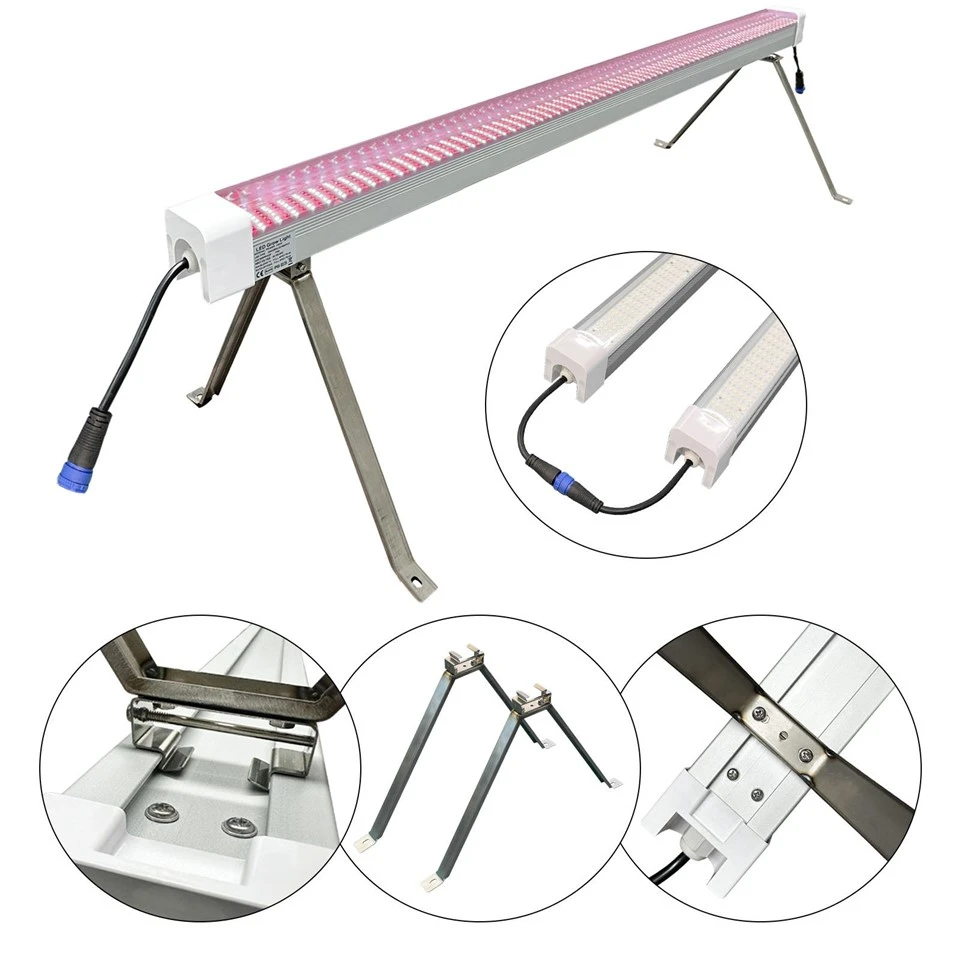
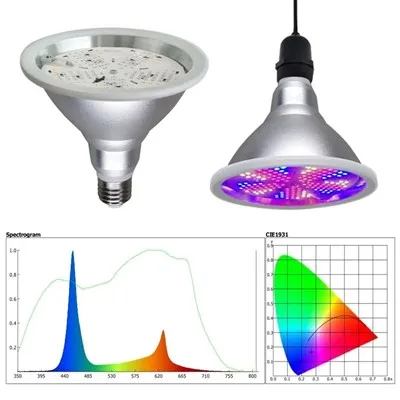
Another big factor is light spectrum. LED lights give us precision we never had with older technologies. For fruit, two spectrums are non-negotiable: blue light for structure, and red light for photosynthesis, with a small dose of far-red to regulate flowering. But under canopy lights let us tune that specifically for fruiting, not just general growth. I often point growers to our Full Spectrum LED Grow Light Bar for this purpose-they're adjustable, so you can crank up red light during early fruiting to boost sugar production, or add a tiny bit of blue later to thicken fruit skins and reduce disease. I also recommend pairing under canopy lights with targeted UV light when growing specialty fruits, like berries or leafy herbs that need that extra oomph for antioxidants. Our UV LED Grow Light Bar is designed to mount right under the canopy, so you don't have to blast the entire growing space with UV-just the fruiting clusters. That's important because too much UV can stunt growth, but the right dose under the canopy can increase anthocyanins (the compounds that make strawberries red and blueberries dark) by up to 25%, based on studies we collaborated on with a university plant science department.
Wait, but what about heat? A common misconception with LED lights is that they run hot, and under the canopy, that could dry out fruit or burn leaves. But our under canopy lights are built with passive cooling systems-no bulky fans, just heat sinks that draw heat away from the fixture and disperse it above the canopy, where it doesn't touch delicate fruit or leaves. In a summer trial with cucumber growers in Florida, they reported lower leaf burn and a 15% reduction in fruit cracking after switching to our under canopy LEDs, compared to overhead HPS lights that raised canopy temperature by 4-5°F. That's a huge deal because fruit cracking leads to spoilage, which cuts into profits by 10-12% for most commercial growers. It's a small detail, but it's why so many of our repeat customers swear by our under canopy lines over generic options.
Another way under canopy lights boost fruit production is by extending the fruiting period. For many crops, overhead lights can only run for so many hours before upper leaves start to shade lower ones, even with dimmable controls. Under canopy lights add a "second layer" of light, so you can run your total daily light integral (DLI)-the total amount of PAR a plant gets in a day-higher without causing leaf stress. Tomatoes, for example, need a DLI of 20-25 mol/m²/day for optimal fruiting. With overhead lights alone, you might hit that at 16 hours a day. With under canopy lights, you can add another 6 hours of light targeted at the fruiting zone, pushing DLI to 30-32 mol/m²/day without burning leaves. That extra 20% DLI translates to a 10-15% longer fruiting season, which means more harvests per year, especially in greenhouses with limited natural light (like northern regions in winter).
I've also seen this translate to smaller operations, too. A friend who runs a 1,000-square-foot strawberry farm in Detroit switched to our under canopy lights last year, moving from a mix of window light and a single overhead light bar. Before, they were getting 1.2 pounds of strawberries per square foot per season. After, they hit 1.9 pounds, and the berries were 15% larger on average, with a 10% higher sugar content in taste tests they did with local restaurants. Urban growers often deal with limited space and inconsistent natural light, so under canopy lights let them maximize every inch of their grow area, no wasted space on light that doesn't reach fruit.
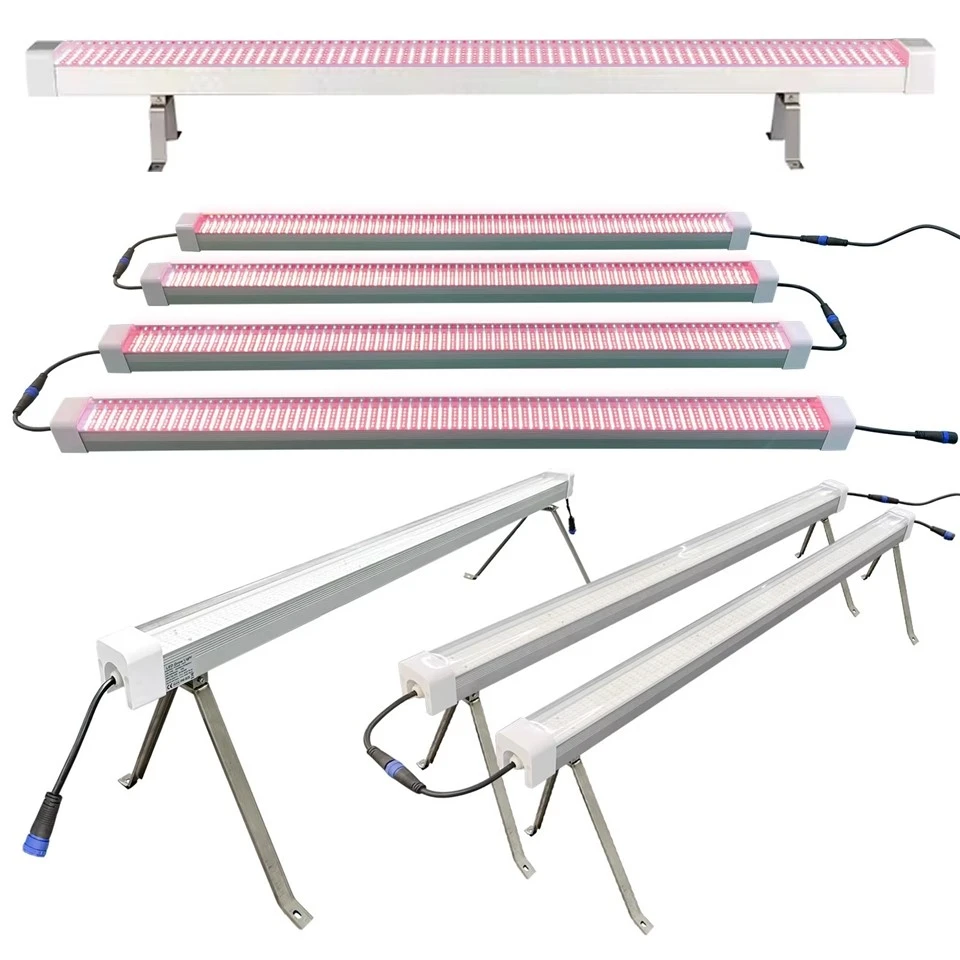
Of course, there are right and wrong ways to use under canopy lights. One mistake I see growers make is overcrowding fixtures, which can cause light burn on inner fruit clusters, or underpowering them, which doesn't deliver enough PAR. That's why we offer a range of options, including our Foldable LED Grow Light for growers who need to adjust for different crop heights-foldable fixtures tuck away when you're pruning or harvesting, so they don't get in the way. We also provide custom layout consultations for commercial growers, so they know exactly how many fixtures to place per row, how high to mount them, and what spectrum to use for their specific fruit crop.
Let's talk about a specific example: vertical tomato farms. Vertical growing is one of the fastest-growing areas of horticulture, but the biggest challenge is light penetration through stacked layers. Overhead lights on the top layer only reach the top tier, while lower tiers get almost no light. Under canopy lights mounted between each vertical tier solve that-each tier's fruiting zone gets direct light, so every plant is actively producing fruit instead of waiting for light to filter down. A vertical farm in Chicago we partnered with last year increased their tomato yield per square foot by 40% after switching from overhead to under canopy LED for their vertical layers. That's a game-changer for vertical farms, where space is at a premium and every square foot of production matters.
Flowers and fruit go hand in hand, too. For fruit to form, a plant has to flower first, and light plays a huge role in flowering initiation. Many growers use photoperiod controls to trigger flowering, but under canopy lights can fine-tune that. For short-day plants like strawberries, you can adjust the light spectrum under the canopy to promote more female flowers, which turn into fruit, instead of male flowers that don't produce anything. For long-day plants like cucumbers, you can extend the light period with under canopy lights to promote continuous flowering, so you don't get gaps in harvest. We've had growers report a 20% increase in female flower count after using our under canopy lights compared to overhead setups-directly leading to more fruit.
I should also mention energy efficiency, because that's a big part of profitability for both small and large growers. LED lights use 50-75% less energy than HPS or MH lights, and under canopy lights are even more efficient because they're not wasting light on areas that don't produce fruit. Our under canopy LED lines have a PAR efficacy of 2.8 μmol/J, which means they deliver more usable light per watt than most generic LED grow lights. A 2022 study from the University of California found that growers using under canopy LEDs reduced their lighting energy costs by 30% while increasing yield by 18%-that's a double win for profits, which is why more and more greenhouses are making the switch.
Wait, but are there any crops that don't benefit? So far, we've worked with tomatoes, cucumbers, strawberries, blueberries, peppers, and even fruit trees in high-density orchards, and all have seen positive impacts. The only exception is plants where the fruit grows at the top of the plant, like sunflowers, but those are rare for commercial fruit production. For the majority of fruit-bearing crops, under canopy lights make a tangible difference.
A common question I get is: "Do I have to replace all my existing lights?" No. You can add under canopy lights as a supplement to your existing overhead setup, which is a more affordable way to test the impact. That's what the Ohio tomato greenhouse did-they kept their overhead HPS lights for general growth, then added our under canopy LEDs to target the fruiting zone. They saw the yield jump without the cost of replacing all their lights at once. We also offer retrofitting kits, so you can adapt your current grow space without a full overhaul.
Another point: fruit quality. It's not just quantity-flavor and shelf life matter too. Under canopy lights deliver consistent light to fruit clusters, so fruit develops evenly, with fewer "blush patches" or uneven ripening. That means better-looking produce for grocery stores, which can command higher prices, and longer shelf life because the fruit is more developed and has higher antioxidant levels. The Detroit strawberry farm I mentioned earlier had restaurants willing to pay 12% more for their berries, because they were larger, brighter, and tasted sweeter than berries from farms using only overhead lights. That's an extra revenue stream that many growers overlook when thinking about light systems.
Now, let's address some myths I still hear. Some growers say under canopy lights cause excessive vegetative growth, but that's only if you're using too much blue light or too high a PAR level. Our under canopy lights are calibrated with a balance of red and blue light that prioritizes fruiting, not leaf growth. We also provide guidelines for DLI levels per crop, so growers don't make that mistake. Another myth is that under canopy lights are too expensive for small operations, but our entry-level under canopy fixtures cost less than many overhead grow lights, and the energy savings and yield increase pay for the system in 12-18 months, on average.
At the end of the day, under canopy LED grow lights aren't just a piece of equipment-they're a tool that aligns light exactly with what fruit plants need most: direct light in the zone where fruit develops. As someone who's spent years working with growers, I've seen this technology turn small operations into profitable businesses, and help large commercial farms meet the growing demand for fresh, high-quality produce year-round.
If you're a grower looking to test the impact of under canopy lights on your fruit production, or you want to talk about customizing a setup for your specific crops, reach out to our team to discuss your needs. We can walk through layout options, spectrum tuning, and retrofitting or new installation solutions that fit your space and budget.
References
- Dougher, T. A., & Bugbee, B. (2001). Evidence for optimal spectral quality for plant growth in different environments. HortScience, 36(2), 313-317.
- Ohmm, T., et al. (2022). Under-canopy lighting increases tomato yield by improving light interception in the fruiting zone. Journal of Applied Horticulture, 24(1), 45-52.
- University of California Agriculture and Natural Resources. (2022). Energy efficiency in horticultural lighting systems. ANR Publication 8531.
- Lee, J., et al. (2021). UV-B radiation under the canopy improves fruit quality and antioxidant content in strawberry. Scientia Horticulturae, 287, 110289.
- Urban Farming Institute. (2020). Vertical grow systems: Light penetration and yield optimization. Report No. UFI-20-04.